
Opening the First Door of Argentina's NEV Market from the B-Side
Introduction
In the previous article, we mentioned the panorama of Argentina's new energy vehicles: here lies the world’s leading lithium resources, enormous wind and solar potential, and gradually emerging policy incentives. This time, we zoom in to focus on the most realistic and most likely sector to take off first—the B-side market.
Unlike individual car buyers, B-side users have characteristics of higher frequency, stronger necessity, and greater concentration: bus companies need to renew their aging fleets, e-commerce and cold chain enterprises require reliable logistics, mining companies are seeking green transportation solutions, and even ports, airports, and sanitation vehicles face an urgent demand for electrification. Once the right solution is found, it often means large-scale procurement and rapid implementation.
For Chinese enterprises, this is exactly where their advantages lie. Chinese manufacturers have already accumulated rich experience in Latin America—from electric buses and mining pickups to forklifts and specialized vehicles, there are many mature cases. Coupled with full-chain capabilities in vehicle manufacturing, charging facilities, and battery solutions, China is fully capable of gaining a foothold in Argentina’s B-side market ahead of others. Moreover, such projects are often deeply tied to governments, energy companies, and logistics giants, and can quickly build influence under the “dual drive” of business and policy.
This article will analyze potential opportunities in Argentina’s B-side market from the perspectives of its demands and pain points, entry pathways for Chinese enterprises, and competition and localization strategies.
Demands and Pain Points of Argentina’s B-Side Market
Argentina’s road to electrification offers many possibilities, but in terms of landing efficiency and demonstration effect, the B-side market is undoubtedly a more suitable starting point.
Public Transportation: Aging Fleet and Cost Pressure
In the Greater Buenos Aires area, the bus system serves as the backbone of urban commuting. As of now, there are as many as 18,350 buses registered and operating in this region, accounting for 97.12% of the total public transport fleet. In recent years, Argentina’s fleet aging has become increasingly evident. According to Noticias Ambientales, by the end of 2024, the average vehicle age nationwide had reached 14.3 years, significantly higher than 11.7 years in 2019. Although under official management buses are updated more frequently, CEIC statistics show their average age is still close to 8 years, higher than the common renewal cycle of 5–6 years in major international cities.
The direct result of aging is the rise in operating costs. According to the Argentine Bus Operators Association, fuel and maintenance expenses now account for 35–40% of total bus operating costs. Meanwhile, in 2024, Argentina’s fuel market experienced high-frequency fluctuations. After the government lifted the tax cap at the beginning of the year, prices were expected to increase by 10–15%, but between December and early the following year, they skyrocketed by 126% in the short term, further aggravating the pressure on bus operators. Against this backdrop, the value of electric buses lies not only in low-carbon environmental protection but also in cost control and improved reliability. Once a demonstration effect is achieved, government procurement and large-scale updates by operators will quickly follow.
Logistics Distribution (Van Trucks): E-Commerce Expansion Driving Rigid Demand
In Argentina, the rapid rise of e-commerce is reshaping logistics. According to the Argentine Chamber of Electronic Commerce’s annual report, in 2024, the e-commerce market experienced explosive growth: total transaction volume soared 181% year-on-year, reaching 22.025 trillion pesos, equivalent to about USD 24 billion at the 2024 official average exchange rate—far surpassing the inflation rate of roughly 117.7% in the same period. In addition, the number of orders grew by 5%, while the average transaction value surged 176%, reaching 92,341 pesos (about USD 101).
This indicates that “last-mile” delivery demand is booming. Van trucks have become the core tool of urban logistics, especially in major cities such as Buenos Aires, Córdoba, and Rosario. E-commerce platforms like Mercado Libre and courier companies increasingly depend on light-duty vans. According to Reuters, Mercado Libre is rapidly expanding its logistics infrastructure in Argentina, with plans to invest USD 2.6 billion in 2025, focusing heavily on logistics, technology, and distribution systems.

Just like buses, the operating costs of light vans are heavily impacted by fuel price fluctuations, significantly squeezing profit margins for fleet companies. In this context, electric vans stand out with clear advantages. On one hand, they provide stable energy costs, reducing reliance on oil prices and subsidy policies. On the other hand, although urban delivery routes vary daily, most operate within the same regional area with predictable mileage, making them highly compatible with current battery technology.
Cold Chain Transport (Refrigerated Trucks): Dual Drivers of Domestic and Export Demand
In Argentina, cold chain logistics play a key role in connecting production with market consumption, serving not only the domestic market but also exports.
With the expansion of the middle class and accelerated urbanization, domestic demand for fresh food continues to rise. In major cities like Buenos Aires, Córdoba, and Rosario, supermarkets, restaurants, and wholesale markets rely daily on refrigerated trucks to deliver milk, meat, and fresh produce. According to Frontier Insights, Argentina’s refrigerated transport market is projected to reach USD 1.9 billion by 2033, with a compound annual growth rate of about 4.8%. Argentina’s per capita beef consumption remains high at 45–50 kg per year, while dairy and fruit consumption are also strong—wine, citrus fruits, and blueberries rely heavily on cold chain transport. In addition, pharmaceutical and biotech industries depend heavily on cold chain logistics to ensure the quality of vaccines and medical products, all of which drive sustained demand.
Meanwhile, as a major exporter of agricultural and fishery products, Argentina also relies heavily on cold chain logistics for exports. According to Euromeat, in 2024, Argentina’s national beef shipments reached 768,600 tons, generating export revenue of about USD 3.019 billion, up nearly 12.5% year-on-year. In the first nine months alone, beef exports reached 699,987 tons, the highest in 57 years, with revenue of about USD 2.122 billion. Seafood exports also grew. According to the National Institute of Statistics and Censuses, total seafood exports in 2024 reached USD 1.981 billion, with 85% coming from unprocessed raw materials. From ranches, processing plants, or fishing ports to port cold storage and finally shipping, refrigerated trucks are indispensable for both “first-mile” and “last-mile” transport.

Currently, Argentina’s refrigerated trucks rely almost entirely on diesel. The Argentine Freight Association estimates that fuel costs typically account for over 50% of cold chain transport costs. Unstable fuel prices place great pressure on domestic distribution and export assurance. Against this backdrop, electric refrigerated trucks bring not only lower costs but also stability and greenness. For domestic markets, they help retail, food, and pharmaceutical sectors mitigate fuel price risks; for exports, they enhance Argentina’s international image with “green beef” and “sustainable fisheries,” becoming key selling points in entering premium markets.
Ports, Airports, and Warehouses (Tractors, Forklifts, etc.): High-Frequency Short-Distance Scenarios Driving Electrification
Ports, airports, warehouses, and logistics parks form critical nodes of Argentina’s trade and logistics system. Their common features: concentrated vehicles, short routes, and high frequency—all ideal conditions for electrification.
In ports, Argentina has several key hubs: Buenos Aires Port, as the main container port, handles most of the nation’s manufactured goods and high-value trade; Rosario Port complex along the Paraná River accounts for over 80% of grain and oilseed exports; Bahía Blanca Port in the south serves as an energy and petrochemical hub. Despite different roles, operations are similar: forklifts, tractors, and handling vehicles mainly run on diesel, facing problems of noise, emissions, and high costs. Yet their limited operating ranges and predictable loads make them ideal electrification targets.
In airports, according to Aeropuertos Argentina, total passenger throughput in 2023 reached 42.3 million, with Ezeiza International Airport handling 10.8 million and Jorge Newbery Airport 15.6 million—nearly 20 million combined. Córdoba and Mendoza airports also serve important regional functions. Whether shuttle buses, baggage tractors, or security vehicles, operations are fixed and frequent, but still mostly fuel-based. Electrification here not only faces low technical barriers but can also directly improve passenger experience and international image.
Warehouses and logistics parks also offer strong electrification potential. With the expansion of e-commerce and retail, Mercado Libre is rapidly building automated warehouses and distribution centers nationwide. Internal operations heavily rely on forklifts, stackers, and tractors, currently mostly diesel or LPG-powered, with high energy consumption and emissions. Introducing electric equipment not only reduces costs but also improves air quality and reduces noise. Similarly, food processing and pharmaceutical industries with stricter environmental requirements also have great potential for electrification.
Mining and Energy (Mining Trucks, Pickups): Contradiction Between High-Emission Fleets and Green Minerals
Argentina’s mining resources hold global significance. Its proven lithium resources account for 21% of the world’s total, with copper reserves exceeding 60 million tons, alongside nickel, cobalt, and other critical battery metals. With global demand for “green minerals” growing, the energy structure of mining fleets has become a key concern.
Currently, mining transportation in Argentina relies heavily on diesel. For example, large mining trucks, according to Chile’s National Copper Commission, entail high fuel and maintenance costs and starkly contrast the image of “low-carbon lithium” and “green copper.” International buyers increasingly scrutinize supply chain carbon footprints, and continued reliance on high-emission fleets risks weakening Argentina’s influence in the global NEV supply chain.
Global mining giants like Rio Tinto, BHP, and Glencore have piloted electric mining trucks in Chile and Australia. Research shows that new electric heavy-duty mining trucks powered by renewables can cut lifecycle carbon emissions by about 70% compared to diesel, while also forming a “green loop” when combined with on-site solar and wind power plants. According to SRK Consulting, operating a 150-ton electric mining truck can reduce per-ton ore transport costs by about 65%. Given Argentina’s mining regions in the Andes and Patagonia have abundant renewable energy resources, they are naturally suited for such models.
Pickups for personnel transport, patrols, and small cargo are the most common vehicles in mining and energy enterprises. Their routes are short and within fixed areas, averaging 100–200 km per day, making pickups one of the easiest vehicle types to electrify.
Municipal Vehicles (Garbage Trucks, Street Sweepers): Shared Test of Fuel Prices and Public Environment
In Argentina’s large and medium-sized cities, garbage collection and street cleaning are indispensable for daily operations. In Buenos Aires, for example, municipal cleaning services cover over 3 million residents, moving thousands of tons of waste daily. Córdoba and Rosario face similar demands.
Diesel-powered sanitation trucks face two issues: first, low-speed frequent stop-and-go leads to high fuel consumption, 15–20% higher than trucks of similar weight, according to the Environment Ministry, which adds pressure under volatile oil prices. Second, operations mostly occur early morning or late night, with noise and emissions directly affecting residential life. By contrast, electric sanitation trucks are highly suitable: fixed routes allow centralized charging, electric drivetrains perform more efficiently at low speeds, and nighttime operations are nearly noiseless. They save fuel costs while improving air quality and urban image. With over 90% of Argentina’s population living in cities, electrification of sanitation fleets is not just a cost-saving measure but an inevitable trend in governance and green transition.
Food Delivery Riders (E-Bikes, E-Motorcycles): Electrification Potential in Instant Delivery
In recent years, Argentina’s food delivery and instant logistics sector has grown rapidly. According to Grand View Research, revenue from online food delivery reached USD 315 million in 2024 and is expected to grow to USD 489 million by 2030, a CAGR of 7.2%. According to iProUp, the online supermarket platform PedidosYa Markets grew sales by 43% in 2024, while physical supermarkets’ sales fell 13.5%. These figures show instant delivery is indispensable in urban life, driving strong demand for delivery tools.
In Buenos Aires, Córdoba, and Rosario, tens of thousands of riders rely on motorcycles, mostly fuel-based. Unlike buses or cold chain fleets, although riders serve B-side enterprises like platforms, they are mostly independent workers who purchase their own vehicles. Platform job ads often require “must own motorcycle.” Therefore, for riders, e-bikes bring direct financial benefit—lower fuel costs increase net income, equivalent to a pay raise. This immediate benefit makes EV adoption easier to spread organically. As platforms expand, they may also standardize fleet provision. PedidosYa, Rappi, and others could bulk-purchase e-bikes or e-motorcycles and lease them to riders, leveraging scale to lower costs.
At the same time, riders are highly visible in city traffic. Noise and exhaust from motorcycles are common complaints. Wider adoption of e-bikes improves air quality, reduces noise, and boosts platforms’ public image. In many Latin American cities, green delivery has entered municipal environmental agendas, making delivery a potential entry point for green transport.
Current Status of Argentina’s B-Side EV Supply
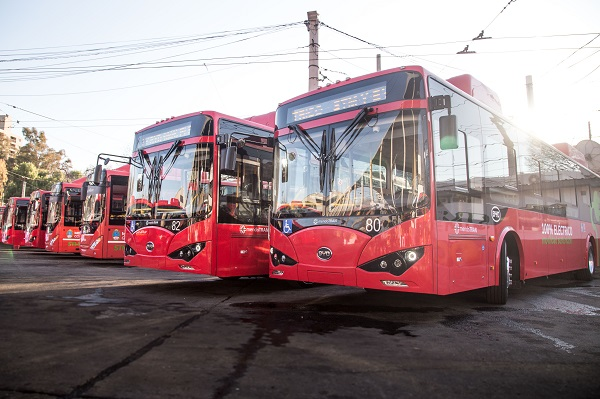
Public transport was the first sector in Argentina to experiment with EVs. In 2019, Mendoza introduced the nation’s first electric bus fleet of 18 vehicles operated by the National Highway Transport Authority, 12 of which were BYD K9s. Later, pilots expanded to the capital. In 2024, Argentina’s first domestically produced e-bus entered service on certain Buenos Aires routes, marking a milestone in local manufacturing. In 2025, Buenos Aires launched its first fully electric bus line using vehicles produced by China’s Yangzhou Yaxing Bus, achieving a breakthrough of full-line electrification. Foreign companies also targeted this market with different strategies. For example, Mercedes-Benz designed an electric chassis specifically for Argentina, letting operators build customized bodies. More importantly, Buenos Aires has set mandatory rules: from 2027, all new buses joining the public system must run on CNG or electricity—diesel will no longer be allowed. This policy shifts electric buses from pilot projects to institutionalized requirements, securing future market growth.
Electric forklifts also have a certain scale in Argentina. In 2023, the electric forklift market generated USD 123.9 million, expected to reach USD 193.9 million by 2030 (CAGR 6.6%). Large e-commerce and retail firms are adopting them in new warehouses to cut energy use and improve indoor air. Food, pharma, and retail already treat them as standard. Yet combustion forklifts still dominate in power-demanding industries. Global OEMs are active—Toyota has a materials handling unit in Argentina offering electric forklifts, stackers, and tractors. Jungheinrich sells through its exclusive agent Kernium. Argentina’s only local forklift maker, Liftingmach (a ZMG Argentina–LiuGong JV), delivered its first e-loaders in 2024 and has since developed 9 e-forklifts and 4 e-stackers.
However, in other B-side fields like cold chain freight, mining, municipal sanitation, and food delivery, electrification remains largely absent. This supply-side gap leaves huge room for external players, especially Chinese firms with full-chain capabilities.
Advantages and Overseas Experience of Chinese Enterprises
Chinese automakers and suppliers have accumulated clear advantages and experience in the global NEV export wave. First, full industrial chain coverage: from lithium mining, battery production, and motors to vehicle manufacturing, China holds leading global scale and cost advantages. Battery leaders like CATL and BYD dominate installation volumes, offering diverse technologies and stable supply. On the vehicle side, Chinese firms have built full product matrices—from e-light trucks, vans, buses, sanitation vehicles, to pickups and engineering trucks—matching various B-side scenarios.
Second, Chinese firms excel in cost control and tech iteration. With a huge domestic market and fierce competition, Chinese EVs often deliver longer range, faster charging, and smarter features at the same price point. Rapid iteration enables quick local adaptation (charging standards, battery sizes, drivetrains) to fit local grids and road conditions.
More importantly, Chinese firms have overseas experience. In Latin American public transit, BYD has built large fleets in Chile. By 2020, Santiago’s RED system added 150 BYD buses, expanding its EV fleet to 455, with BYD holding ~65% market share. In 2023, BYD also delivered 10 electric double-deckers to Chile, among South America’s first. Yutong has likewise been a key player, selling over 29,180 buses across Latin America, including in Chile, Colombia, Mexico, and Peru. In Feb 2025, Yutong delivered a 26m double-articulated e-bus to Mexico, its longest EV export, tailored to local needs.
In mining, China’s Boruiton delivered 31 e-mining trucks to a Zambian copper project in 2025. In logistics and sanitation, Foton e-sanitation trucks operate in Thailand, while Yutong has supplied e-light trucks and sanitation vehicles in Southeast Asia and Africa.
In two-wheelers, Chinese brands mainly target C-side markets but provide reference for B-side entry. Yadea and Aima already built networks in Latin America. Niu entered Argentina in 2019 via sub-brand NUUV, opening a flagship store in Buenos Aires.
Thanks to these experiences, Chinese firms entering Argentina’s B-side market need not start from scratch but can leverage proven cases to reduce pilot risks and speed rollout. For Argentina, China offers not just vehicles but full packages—vehicles, charging, energy management, and after-sales services.
Conclusion
Argentina’s B-side NEV market is moving from “possibility” to “inevitability.” In public transport, e-commerce logistics, cold chain, ports and airports, sanitation, mining, and even instant delivery, every niche faces overlapping pain points: aging fleets, high fuel costs, environmental pressure, and policy drivers. At the same time, Chinese firms already hold full-chain NEV advantages and rich overseas experience. For this reason, the B-side is likely to become Argentina’s electrification breakthrough. Once demonstrations succeed in these high-frequency, high-demand sectors, they will trigger government and enterprise procurement and open space for the C-side market. For Chinese firms, this is not only a landing point but also a key step to amplify influence and capture discourse power in Latin America’s NEV sector.


Comments